

Ginger Chicken is what I make when I want a big hit of flavor without turning dinner into a project. The trick here is simple: wake up the aromatics first (a quick smash of ginger, garlic, and scallion whites), then sear the chicken hot so it stays juicy. After that, the sauce is just a steady simmer and a short reduction until it looks glossy, with a small cornstarch slurry to finish.
If you’re working on weight loss, this one can fit nicely into a higher-protein plate: about 206 calories and 24g protein per serving (using your nutrition). Pair it with steamed greens and a measured portion of rice, especially on training days.
PrintGinger Chicken with Juicy Thighs and Sticky Sauce
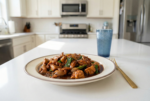
Ginger-forward chicken thighs in a savory, sticky sauce. Quick sear, short simmer, and a simple cornstarch slurry for a glossy finish.
- Prep Time: 10 minutes
- Cook Time: 20 minutes
- Total Time: 30 minutes
- Yield: 6 servings
- Category: Dinner
- Method: Stir-Fry
- Cuisine: Chinese
Ingredients
- 3 scallions, cut into 2-inch pieces (separate whites and greens)
- 4 cloves garlic, halved
- 6 slices fresh ginger, 1/4-inch thick
- 1 tablespoon vegetable oil (or canola/avocado oil)
- 24 ounces boneless, skinless chicken thighs (680g), cut into 1-inch chunks
- 3 shallots, quartered
- 1/4 cup Shaoxing wine
- 1 1/2 cups low-sodium chicken stock
- 1 teaspoon light brown sugar
- 2 tablespoons soy sauce
- 1 teaspoon dark soy sauce
- 1/4 teaspoon white pepper
- 2 teaspoons oyster sauce (optional)
- 1 tablespoon cornstarch mixed with 1 tablespoon water (slurry)
Instructions
- Lightly smash the scallion whites, garlic, and ginger to release their aroma.
- Heat oil in a wok until it just starts to smoke. Fry ginger for 15 seconds.
- Add chicken in a single layer. Sear 45 seconds, flip, then sear 30 seconds.
- Add scallion whites, garlic, and shallots. Stir-fry 30 seconds.
- Add Shaoxing wine and stir-fry 20 seconds.
- Add stock, brown sugar, soy sauces, white pepper, and oyster sauce (if using). Cover and cook on high for 5 minutes.
- Uncover and boil 7 minutes to reduce. Stir in scallion greens, then stir in slurry to thicken. Add a little more slurry if you want it thicker.
Notes
- Substitutions: Dry sherry can stand in for Shaoxing; use regular soy sauce if you don’t have dark soy (color will be lighter).
- Tip: Reduce the sauce uncovered until it starts to lightly coat the chicken before adding extra slurry.
- Food safety: Cook chicken until fully done; use a thermometer if you prefer (many cooks use 165°F/74°C as a simple target).
Ginger Chicken Choose Your Style
“Ginger chicken” can mean a few different dinners. Here’s the quick way to pick what you’re actually craving, without getting halfway through and wishing you’d chosen differently.
Quick Variant Selector
1) Savory sticky soy-ginger sauce (this recipe)
- Taste: savory, ginger-forward, lightly sweet
- Texture: glossy sauce that coats the chicken
- Best for: weeknights and leftovers
- Gear: wok or large skillet
- Routine fit: easy to keep the plate lighter by pairing with veggies and a measured scoop of rice
2) Honey-ginger glaze (optional path)
- Taste: sweeter, more “glazed”
- Texture: stickier finish, usually a bit thicker
- Best for: when you want that sweet-savory edge
- Routine fit: works best if you keep the honey modest and balance with high-volume sides (greens, slaw, roasted veg)
3) One-pot ginger chicken and rice (optional path)
- Taste: cozy, rice soaks up the ginger-scallion flavor
- Texture: more of a complete bowl meal
- Best for: meal prep and grab-and-reheat lunches
- Routine fit: easiest if you portion the rice up front and add extra veg for volume
If you’re here for the classic, savory version: stick with the savory sticky sauce method below. It’s the most reliable for a glossy finish and tender chicken.
Ingredients
This savory Ginger Chicken is built around a short list of aromatics and a simple sauce that reduces into something glossy. If you’re watching calories or sodium, the “low sodium” choices here really matter.

What you’ll need
Aromatics
- 3 scallions, cut into 2-inch pieces (separate whites and greens)
- 4 garlic cloves, cut in half
- 6 slices fresh ginger (about 1/4-inch thick)
- 3 shallots, cut into quarters
Chicken
- 24 oz boneless, skinless chicken thighs (680g), cut into 1-inch chunks
(Thighs stay tender with high heat and a quick simmer.)
Sauce and cooking liquid
- 1 tbsp vegetable oil (or canola/avocado oil)
- 1/4 cup Shaoxing wine
- 1 1/2 cups low sodium chicken stock
- 2 tbsp soy sauce
- 1 tsp dark soy sauce
- 1 tsp light brown sugar
- 1/4 tsp white pepper
- 2 tsp oyster sauce (optional)
Thickener
- 1 tbsp cornstarch mixed with 1 tbsp water (slurry)
Easy substitutions and dietary swaps
- No Shaoxing wine: use dry sherry, mirin (reduce sugar slightly), or extra stock with a small splash of rice vinegar for brightness.
- No dark soy: use regular soy sauce. You’ll lose a little color, but the flavor still works.
- No oyster sauce: skip it, or use a mushroom-based “oyster” sauce if you like that savory depth.
- Gluten-free: use certified gluten-free soy sauce (tamari) and check oyster sauce labels (many contain wheat).
- Lower sodium approach: stick with low sodium stock and low sodium soy sauce, and serve with extra vegetables so the sauce stretches without needing more salt.
Prep Notes Before You Start
A few small choices make the difference between “nice flavor” and a truly ginger-forward sauce that still tastes balanced.
Smash, don’t mince, for cleaner ginger flavor
You’re not trying to pulverize everything. A light smash cracks the fibers so the aromatics release quickly, but you won’t end up with harsh little bits in every bite. Use a firmer hand on the ginger than the scallion whites and garlic.
Keep the chicken pieces even
Cut the thighs into 1-inch chunks as evenly as you can. That way they sear and finish at the same time, which helps with tenderness.
Don’t overcrowd the wok
Crowding is the fastest way to end up with pale chicken and a watery sauce. If your wok or skillet isn’t large, sear the chicken in two batches and combine everything before the simmer.
Pro Tip: For the best sauce texture, keep the heat high enough that you hear an active simmer after you uncover the wok. Gentle bubbling won’t reduce fast, and that’s when the sauce tends to stay thin.
If you’re aiming for a lighter, weight-loss-friendly plate, this is also the moment to plan your sides. I usually set a bag of steam-in-bag broccoli or a tray of quick-roast vegetables going now, so dinner feels generous without needing extra sauce or extra rice.
How to Make Ginger Chicken Step by Step

Total Time: 30 minutes
1) Crack the aromatics to wake up the flavor
Set the scallion whites, garlic, and ginger on a cutting board. Use the flat side of a cleaver (or chef’s knife) to press and crack them. The ginger can take a firmer press than the scallions. You want bruised and fragrant, not minced.
2) Heat the wok properly, then scent the oil with ginger
Coat the wok with oil by swirling it up the sides, then heat until you see the first faint wisp of smoke. Drop in the ginger slices and let them sizzle for about 15 seconds, just long enough to perfume the oil.
3) Sear the chicken quickly so it stays juicy
Add the chicken in one even layer. Let it sit undisturbed for 45 seconds to build color, then turn the pieces and cook the second side for 30 seconds.
4) Add the scallion whites, garlic, and shallots
Toss in the scallion whites, garlic, and shallots. Stir-fry on high heat for 30 seconds, until the pan smells sharp and savory and the shallots start to soften around the edges.
5) Deglaze with Shaoxing
Pour in the Shaoxing wine and stir constantly for 20 seconds. This lifts the browned bits from the wok and pulls that flavor into the sauce.
6) Cover to cook through, then uncover to concentrate the sauce
Add the chicken stock, brown sugar, soy sauce, dark soy sauce, white pepper, and oyster sauce (if using). Put the lid on and cook on high for 5 minutes.
Take off the lid and keep it bubbling for about 7 minutes so the liquid reduces.
What to look for: the sauce should look darker and slightly thicker, and it should start to cling to the chicken instead of sitting like soup.
7) Finish with scallion greens, then tighten the sauce
Stir in the scallion greens. Give your cornstarch slurry a quick stir (it settles fast), then pour it in while stirring. The sauce will thicken within seconds. Prefer a thicker coat? Add a small splash more slurry a teaspoon at a time.
What to look for: a shiny sauce that coats each piece and briefly leaves a line when you drag a spoon through the wok.
Pro Tip: If the sauce looks thin, give it another minute or two of hard bubbling before adding more slurry. Reduction concentrates flavor; extra starch can mute it and turn the sauce pasty.
Troubleshooting Ginger Chicken Sauce and Texture
This recipe is fast, so small heat changes show up quickly. Here’s how to fix the common hiccups without starting over.
Sauce is watery
- Cause: not enough uncovered boiling time, or the wok was crowded and the chicken steamed.
- Fix: keep it uncovered on high heat for 1 to 2 minutes so it reduces. Stir occasionally so nothing sticks.
- Next time: sear in one layer (or in batches) so you get better browning and less liquid release.
Sauce turned too thick or “gel-like”
- Cause: too much cornstarch slurry, or the slurry hit cooler liquid and thickened unevenly.
- Fix: add 1 tablespoon of stock or water at a time, stir, and let it bubble for 20 to 30 seconds before adding more.
- Next time: use slurry in small pours, and stop when the sauce lightly coats the chicken.
Sauce tastes too salty
- Cause: soy sauce brands vary, and dark soy adds depth fast.
- Fix: add a splash of unsalted stock and let it boil uncovered for 30 to 60 seconds. If needed, add a tiny pinch of brown sugar to soften the edge.
- Next time: stick with low sodium soy sauce and stock, especially if you meal prep.
Sauce tastes too sweet
- Cause: the brown sugar is small, but reduction can make sweetness stand out.
- Fix: add 1 to 2 teaspoons Shaoxing wine or stock to loosen, then simmer 30 seconds. A little extra ginger sizzle at the start also helps next time.
Ginger flavor is too sharp
- Cause: ginger slices were crushed very aggressively, or you used very young, extra pungent ginger.
- Fix: simmer 1 to 2 minutes longer before thickening, so the ginger mellows.
- Next time: smash lightly and keep slices thicker (your 1/4-inch thickness is perfect).
Chicken feels dry
- Cause: over-searing, or cooking too long during the uncovered reduction.
- Fix: add a small splash of stock, cover for 1 to 2 minutes, then uncover again briefly to regain the gloss.
- Next time: keep the sear quick and rely on the covered simmer to finish cooking.
Pro Tip: For a lighter, weight-loss-friendly plate that still feels satisfying, stretch the sauce across more volume. Serve this over steamed vegetables and use a measured portion of rice, so the same glossy sauce flavors a bigger plate without adding extra.
Serving Ideas for Ginger Chicken
This sauce is bold, so you don’t need a lot of it to make the whole plate taste great. That’s helpful when you’re trying to stay in a calorie-friendly groove without feeling like you’re eating “diet food.”
If you like a simple drink routine with dinner, my apple cider vinegar drink is an easy option to keep things consistent without overcomplicating the meal.
Simple pairings that work every time
- Steamed broccoli or green beans: they soak up the glossy sauce and add volume fast.
- Stir-fried bok choy or napa cabbage: quick, light, and it keeps the meal feeling fresh.
- Cucumber salad (rice vinegar, a pinch of salt, sliced scallion greens): cool crunch next to the warm ginger sauce.
Rice and noodles (portion-friendly)
- Jasmine rice or brown rice: keep it to a measured scoop, then pile on vegetables so the plate looks full.
- Cauliflower rice: great on non-training days when you want the ginger flavor without a bigger carb portion.
- Rice noodles: best if you want something comforting, but keep the portion modest since they disappear quickly.
How to add vegetables without thinning the sauce
If you want to cook veg right in the wok, choose ones that don’t dump a lot of water:
- Mushrooms, bell pepper, snap peas work well.
- Add the vegetables once the chicken has some color, then add your liquids next.
- If you’re using watery veg (zucchini, spinach), cook them separately or add them at the very end.
If you’re pairing this with a workout routine, I like this simple setup: ginger chicken + a big pile of vegetables + a measured carb portion (rice or noodles) on training days, then shift to extra veg and a smaller carb portion on rest days.

Storage and Make-Ahead
Ginger Chicken holds up well for leftovers, but the texture depends on how you cool it and how you reheat it. The sauce will usually thicken in the fridge, so don’t be Ginger Chicken is a great leftovers meal, but the sauce and chicken texture depend on how you store it. After chilling, the sauce often firms up, so it may look thicker the next day.
if you tend to snack when you’re actually just thirsty, a warm pink salt drink can be part of a steady evening routine, but keep sodium needs in mind, especially if you monitor blood pressure.
Refrigerate
- Cool the dish until it’s no longer steaming, then transfer it to a sealed container.
- Store the chicken with the sauce so it stays juicy and reheats evenly.
- If you’re tracking portions for weight loss, divide it into servings now. It’s a lot easier than eyeballing it later.
Freeze (optional)
- Freezing works, but the sauce can look slightly separated after thawing. A quick reheat and stir usually brings it back together.
- Freeze in smaller, flatter portions so it thaws faster and warms more evenly.
- For best results, thaw overnight in the fridge.
Reheating without drying the chicken
- Skillet (best texture): warm over medium heat and add a small splash of water or stock to loosen the sauce as it heats.
- Microwave (fastest): cover loosely and heat in short bursts, stirring once in the middle so the sauce warms evenly.
- If the sauce is too thick: stir in 1 to 2 teaspoons of water/stock, then heat and stir until glossy again.
Pro Tip: Start reheating with a tiny splash of water or stock and use moderate heat. If you blast it, the sauce tightens quickly and the chicken can turn tough before the center is hot.
Safety Notes
Chicken is forgiving here, but food safety isn’t the place to wing it.
Chicken doneness
Cook chicken until it’s fully done in the center and the juices run clear. If you use a thermometer, follow the temperature guidance used by your local food-safety authority (many home cooks use 165°F / 74°C as a simple target).
Cooling and leftovers
Cool leftovers promptly, refrigerate in a sealed container, and reheat until piping hot. If you ever notice an off smell, unusual slime, or sour taste, toss it.
If you want a “by-the-book” reference for temps and storage rules in the US, check USDA/FoodSafety.gov guidance for cooked poultry and reheating.
FAQs
What side dishes pair well with ginger chicken?
Steamed broccoli, green beans, bok choy, snap peas, or a crunchy cucumber salad are all great. For a weight-loss-friendly plate, build volume with vegetables first, then add a measured portion of rice or noodles.
What are some fun facts about ginger?
Fresh ginger gets its punch from natural compounds that create that warm, peppery bite. In cooking, heat and simmering mellow it, while grating or crushing can make it taste sharper. That’s why thick slices plus a quick simmer works so well for ginger chicken.
What is ginger chicken?
Ginger chicken is a chicken dish where ginger (usually with scallions and garlic) is the main flavor. It’s often finished with a savory sauce that’s reduced until it clings to the chicken, sometimes thickened lightly for a glossy coating.
What spices go well with ginger?
White pepper (like you’re using), black pepper, chili flakes, and a little five-spice can work, depending on the style. Keep it simple at first. Ginger is the lead here, so add extras lightly so the sauce doesn’t get muddy.